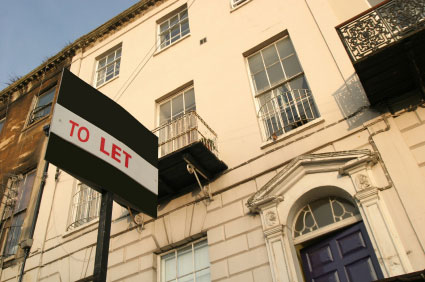
Buy to Let has very much been the favoured type of investment over the last few years, but is can be difficult for newcomers to get basic questions answered about how to get started, how you can buy your first property and what the rules and restrictions are. This first buy to let blog is designed to provide answers to these and other points.
The first thing to understand is that buy to let property can be purchased relatively simply and with little regard to your personal income, unlike a normal residential mortgage for your home. It is more concerned with the quality of the investment property itself and whether it is likely to provide enough income to pay the interest or repayments on the loan.
When you are looking at an investment property for the first time it is important to consider the level of rental income you expect to receive compared to the cost of the mortgage per month. Historically, lenders have expected the rental to be 125% more than the monthly mortgage cost. Unfortunately, after management costs and any void months when you cannot find a tenant, you could run a loss on these types of loans so if you are keen on easily covering the mortgage then the secret is to hunt out property that has the highest rental income compared to the price of the property.
Banks normally need a minimum deposit of 25% on a buy to let property to be put down but if the interest cover requirements are not met then you will have to put in a bigger deposit to reduce the size of the mortgage and hence fit the interest cover. You can obtain buy to let mortgage quotes very easily from many specialist mortgage brokers & here at Richards and Jones we consider ourselves quite knowledgeable on this type of mortgage. There are many mortgage products in the market today but some have large application fees that offset the apparently cheap interest rates and others have long tie-ins so be careful when choosing one. These are a couple of the reasons why you are best to seek advice from an adviser who can show you all the different deals available to you. Please go to www.comparethemortgagemarket.com for more information.
 The sort of costs you should be aware of when working out if a property will be profitable are things like management charges from the letting agent (10-15% of the rent per month), property insurance (£250 per year for a flat for example), rental voids (perhaps assume one month a year will have no tenant), safety checks (£100 plus a year) and of course furnishing the property in the first place. Also watch out for service charges in blocks of flats taking as much as one months rent or so a year.
When you have worked out your figures do not be surprised to see that it is quite hard to locate property that does not make a cash profit on the rent coming in each month. After the boom of the last few years it is often only run down terraced houses and the like that bring in high yields (the percentage of the property price represented by the annual rental income) and those types of properties can bring their own problems in exchange for the higher income.
 So why do people still purchase buy to let property if it doesn’t make them a profit each year? Well there are two types of profit with property, firstly the rental income left after costs and mortgage payments, and secondly the possible capital gains if the property price goes up. If you believe that house prices will go up over the long term then you can see the potential to make money regardless of short term dips. This long term view is what most investors now take and they are quite happy to buy property that is initially break-even but with the prospect of capital gains and rent rises.
 Even if the rent does not make you a profit to begin with it is important to know that the level of demand for buy to let property from many sources such as population growth through new children, immigration and an increasing divorce rate is leading to rents rising at around 10% per year according to one of the biggest buy to let lenders. This means a rent of £700 a month could be £770 next year and £847 the year after if the growth continued at that rate. If you were just breaking even in the first year that would mean a £1764 profit on the rent in the third year, if all other factors remained equal.
Hopefully this has given those of you who have not yet started with buy-to let an insight into how and why people are still buying, and putting their faith in bricks and mortar providing some of their income in retirement. Call 0208 1231337 for more assistance.

The economical factors for buy to let mortgages.
ReplyDelete